
Why Supplements?
Why Take Supplements?
Why do people take supplements?
The easy answer is advertising works.
But when I’m asked why I take certain supplements, or what I take, the answer is more intentional than that.
Early on, I took everything. If it was on the shelf, I assumed it would make me bigger, leaner, or stronger. After 17+ years of training and education, I learned a hard truth most people never hear: more supplements doesn’t mean better results.
Over time, I figured out what my body actually needed and what was doing nothing or worse, working against my health and progress. That process led me to strip things back to a small number of effective, natural options that support performance, recovery, and overall health.
You’ll notice I don’t recommend many supplements. That’s intentional. Real food should always be the foundation. Supplements are exactly that a supplement, not a replacement for proper nutrition.
I also strongly recommend blood work and working with a qualified natural or functional health practitioner. Everyone’s body is different. What works for one person may not work for another.
Smart supplementation is about precision, not quantity.
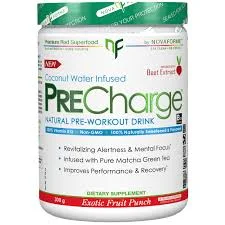
Pre-Workout: Use It, Don’t Rely on It
When I first started weight training, I took the strongest pre-workout I could find. That was the culture. Bigger scoop, bigger buzz, better workout. Or so I thought.
Pre-workouts feel great… until they don’t.
Eventually one of three things happens
You can’t train without it
It starts making you feel sick or anxious
You realize most formulas are packed with stimulants and chemicals that can actually dehydrate you and hurt performance long term
That’s when I started looking for better options.
I found a natural pre-workout called PreCharge, built with ingredients like coconut water, cordyceps mushrooms, green tea powder, and other performance-supporting compounds. It doesn’t hit like a freight train, and that’s the point. It supports energy and focus without wrecking your system.
There is an adjustment period when switching away from heavy stimulant products, but it’s worth it.
And to be clear, I don’t use a pre-workout every session. I use it when I need it.
The number one rule with supplements is this:
Never become dependent on them.
A pre-workout is a tool, not a requirement. Your foundation should always be sleep, nutrition, hydration, and smart training. Everything else is optional support.
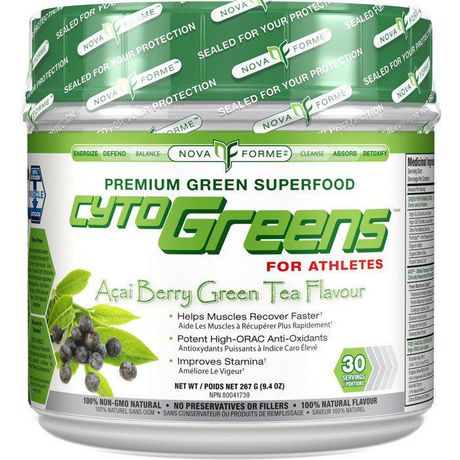
Green Superfoods
If you want to support your body with a high-quality superfood blend, a good greens supplement can be a smart addition. I’ve tested a lot over the years, and I’ve found one that delivers solid ingredients without the premium price tag.
People often ask, “Shouldn’t you get your greens and vegetables directly from whole foods?”
Absolutely. That should always be the goal.
But let’s be realistic. Getting a wide variety of fresh vegetables and fruits every single day isn’t always practical for most people. That’s where a greens supplement can help fill the gaps not replace real food, but support it.
That’s why I added CytoGreens to my routine alongside eating plenty of vegetables and fruit. It’s an easy way to increase micronutrient intake, support recovery, and help the body function at a higher level when life gets busy.
And no, there’s no such thing as being too green when it comes to supporting your health.
Real food first. Smart supplementation second.
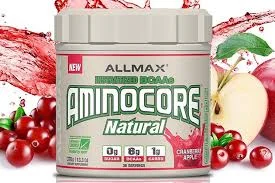
BCAAs: A Tool, Not a Crutch
BCAAs can be useful, but like most supplements, more is not better.
Drinking BCAAs constantly or in excessive amounts can have a negative effect over time. Used properly, however, they can support muscle repair, recovery, and training performance when calories or protein intake are lower.
Quality and dosage matter. Taking a well-formulated product at the recommended amount is key. It’s also important to cycle off BCAAs occasionally so your body doesn’t become reliant on supplementation instead of supporting its own natural amino acid production.
For those looking for a cleaner option, Allmax AminoCore is a solid choice. It’s a more natural formulation and works well when used intentionally, not abused.
As with all supplements, BCAAs should support a foundation of proper nutrition, hydration, and recovery not replace it.
Use them when they make sense. Take breaks. Let your body do what it’s designed to do.

text coming soon

Vitamin D text coming soon

Creatine text coming soon